Smart home automation refers to the integration of various devices within your home to enhance convenience, efficiency, and security. It allows homeowners to control devices through smartphones, tablets, or voice commands, making daily tasks simpler and more manageable. Imagine being able to adjust your thermostat, lock your doors, or turn on your lights from anywhere, all with just a few taps on your device!
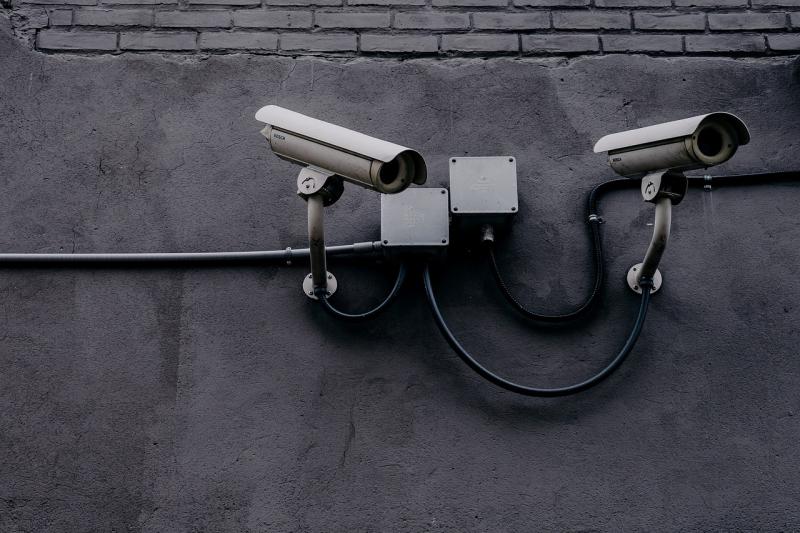
At the core of smart home automation are devices such as smart lights, smart locks, and security cameras. These devices communicate with each other and can be controlled remotely. For instance, you can set your smart lights to turn on automatically when you arrive home or receive alerts from your security cameras when motion is detected. This level of control not only provides convenience but also adds a layer of security, allowing you to monitor your home in real time.
One of the keys to successful smart home automation is choosing compatible devices that can work together seamlessly. Most smart home setups use a hub or a smart home platform, allowing different devices from various brands to connect and communicate. Popular platforms like Google Home, Amazon Alexa, and Apple HomeKit make it easier to synchronize your devices and create personalized automation routines.
To get started with home automation, think about the areas of your home that could benefit the most. Do you want to enhance your home's security, improve energy efficiency, or just make everyday tasks easier? By assessing your needs and selecting the right devices, you can create a smart home that fits your lifestyle and keeps your home secure and connected.
Choose the Right Smart Devices
When it comes to securing your home with smart automation solutions, choosing the right smart devices is crucial. With so many options available, it can be overwhelming to know where to start. The first step is to identify your specific needs. Consider the areas of your home that require the most attention, such as entry points, monitoring indoor spaces, or managing utilities efficiently.
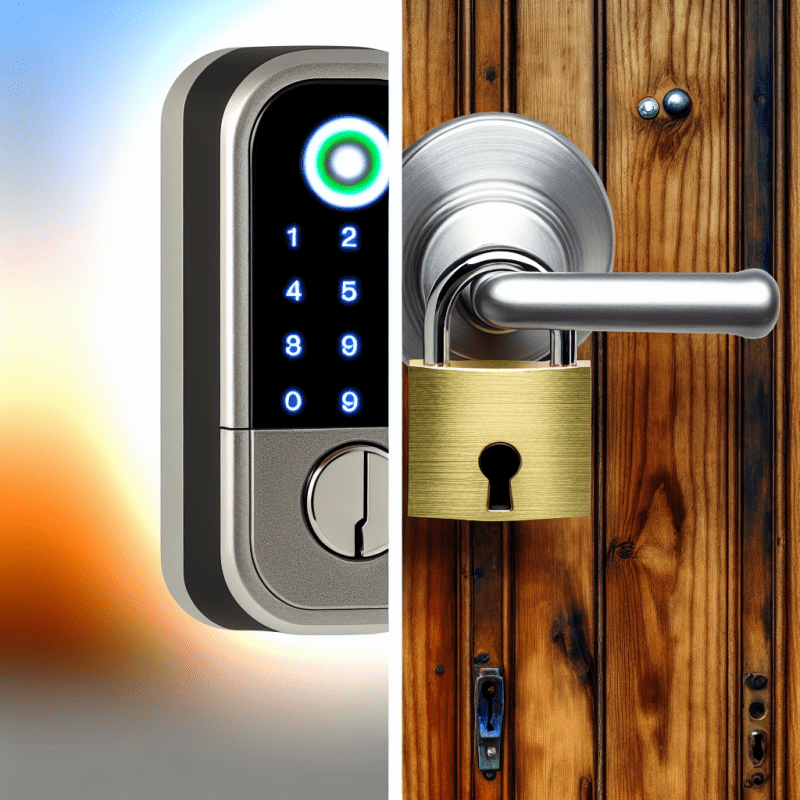
Next, think about the types of smart devices that can meet those needs. Smart cameras, door locks, and motion sensors are popular choices for enhancing security. For instance, a smart doorbell with a camera allows you to see who is at your door, even when you’re not home. Smart locks can provide keyless entry and allow you to grant access to guests without handing out physical keys.
Another important aspect is compatibility. Ensure that the devices you choose can integrate seamlessly with your existing smart home ecosystem. Many smart devices operate on platforms like Google Assistant, Amazon Alexa, or Apple HomeKit. By selecting devices that are compatible with your preferred platform, you’ll enjoy a smoother user experience and greater control over your entire home automation system.
Lastly, don’t forget about the importance of user-friendly interfaces and reliable customer support. Opt for brands that are known for their intuitive apps and responsive customer service. This way, you can easily monitor and manage your smart devices, and receive assistance when needed. Choosing the right smart devices will not only enhance the security of your home but also simplify your daily routines.
Essential Security Features to Look For
When considering smart automation solutions for your home, it’s crucial to prioritize security features that will keep your property safe. One of the first features to look for is robust encryption. Your data transfer should be protected using advanced encryption methods, such as AES-256. This ensures that any information sent between your devices and your smart home hub remains confidential and secure from hackers.
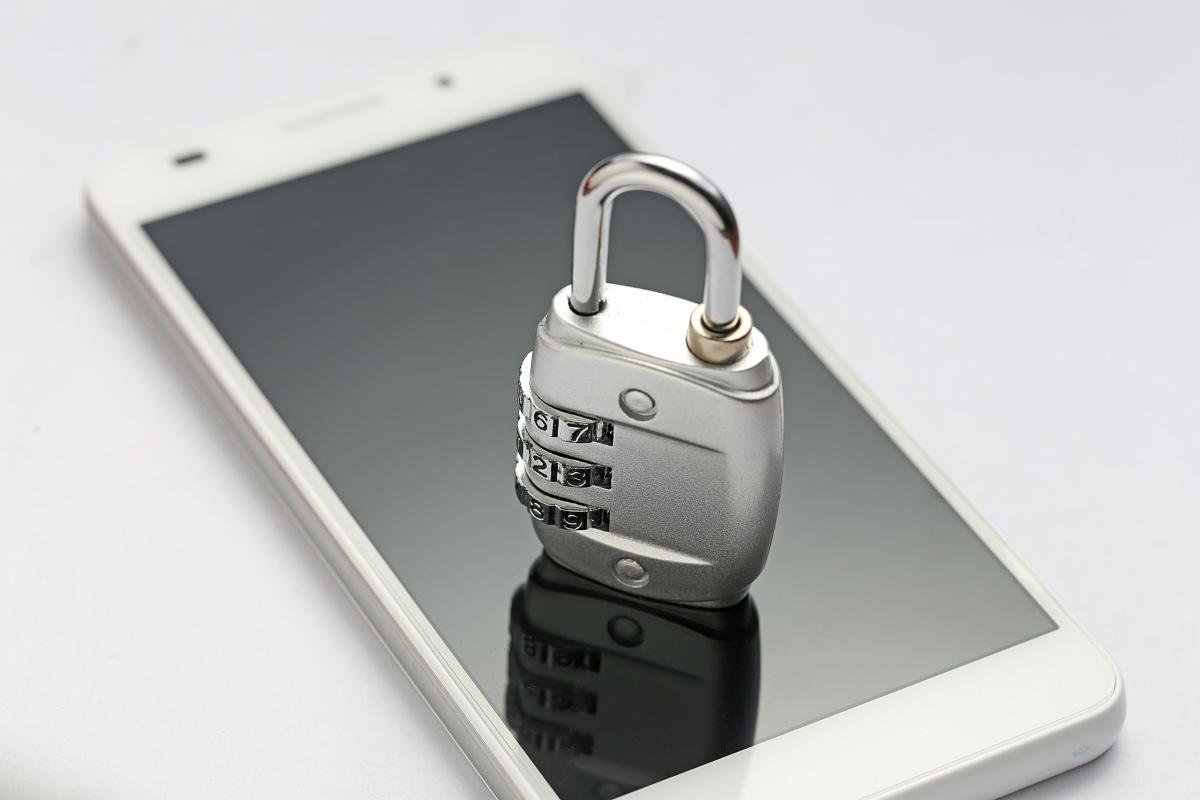
Another vital component is two-factor authentication (2FA). This extra layer of security requires not only a password but also a secondary form of verification, such as a code sent to your smartphone. By implementing 2FA, you significantly reduce the risk of unauthorized access to your home automation system, adding peace of mind that your home is protected even if your password is compromised.
Lastly, consider the importance of regular software updates from the manufacturer. Smart home devices should receive frequent updates to patch any known vulnerabilities and enhance their security features. Always choose brands that are committed to maintaining their software, as this ensures that your home automation system evolves to combat emerging threats effectively.
Tips for Seamless Smart Home Integration
Integrating smart home devices into your living space can elevate your home’s security and convenience but doing it seamlessly requires a few thoughtful strategies. First, start by selecting compatible devices. Make sure that the smart devices you choose can communicate with one another. For instance, if you have a smart thermostat, it should be able to work with your smart lights and security cameras. Checking for compatibility will save you time and headache down the road.
Next, make sure to centralize your control. Use a smart home hub or an app that allows you to control all your devices from one location. This way, you can easily manage your home’s security settings with just a few taps on your smartphone. A central hub can streamline automation and provide you with a unified interface to monitor everything, enhancing both usability and security.
Don’t forget about security basics when it comes to integrating smart home solutions. Always change default passwords and enable two-factor authentication where possible. Your smart devices are vulnerable to hacking, so taking these precautions is essential for safeguarding your home. Keeping your firmware updated is another critical step; manufacturers frequently release updates to fix security issues and improve functionality.
Lastly, think about automation routines that fit your lifestyle. For example, you can set your lights to turn on automatically when you arrive home or program your security camera to send you alerts during certain hours. Tailoring these functions to your daily routine not only makes your life easier but also adds an extra layer of security, ensuring your home is monitored even when you are away.